


















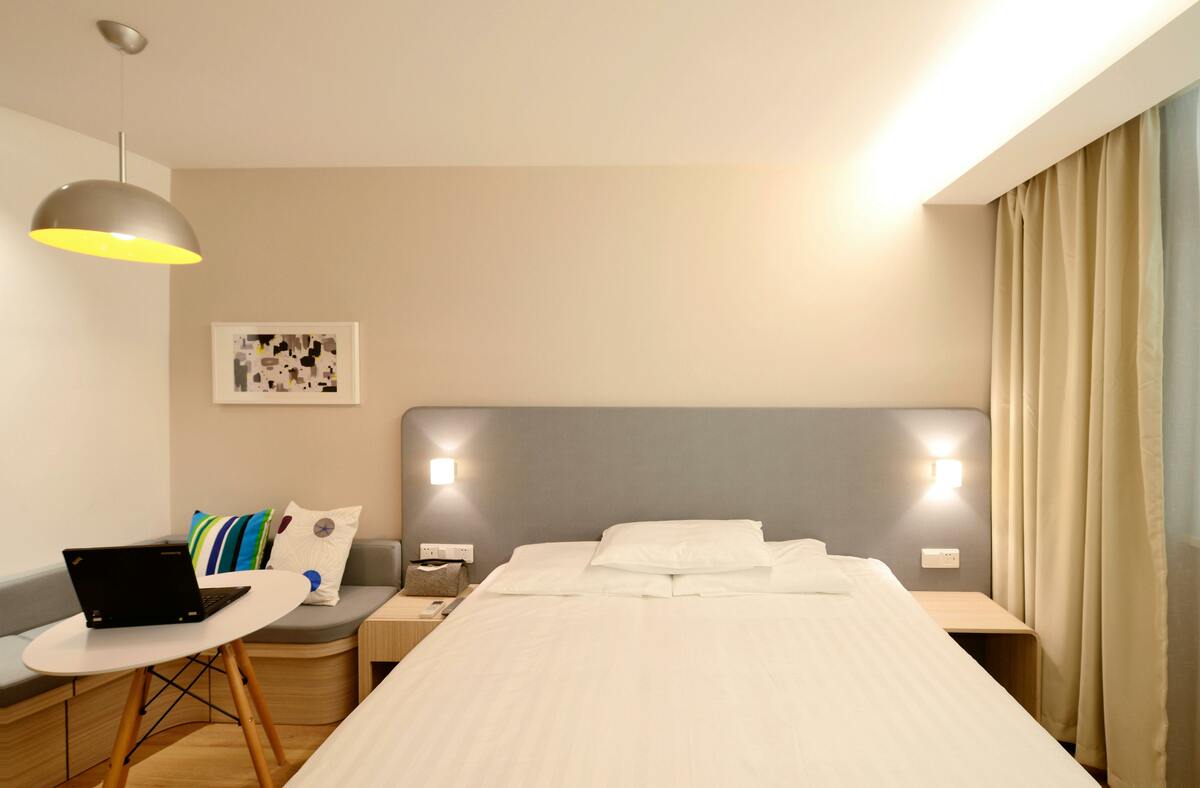




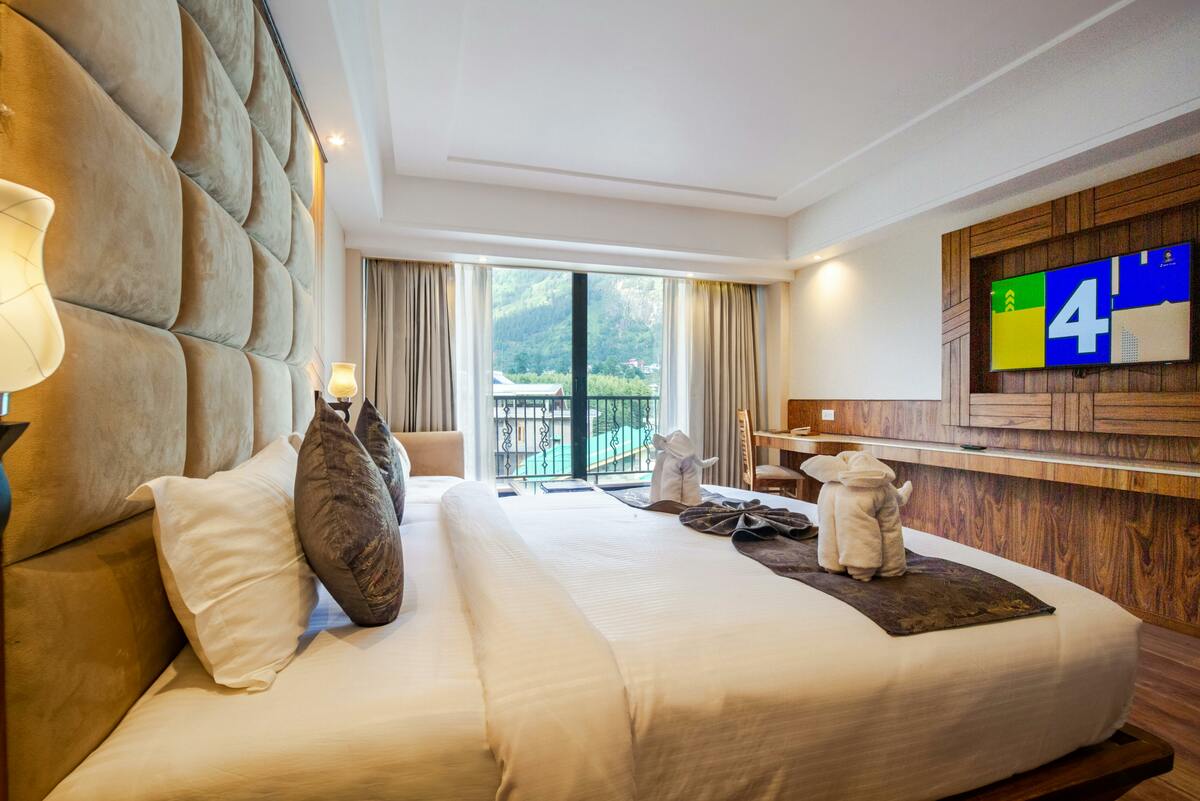





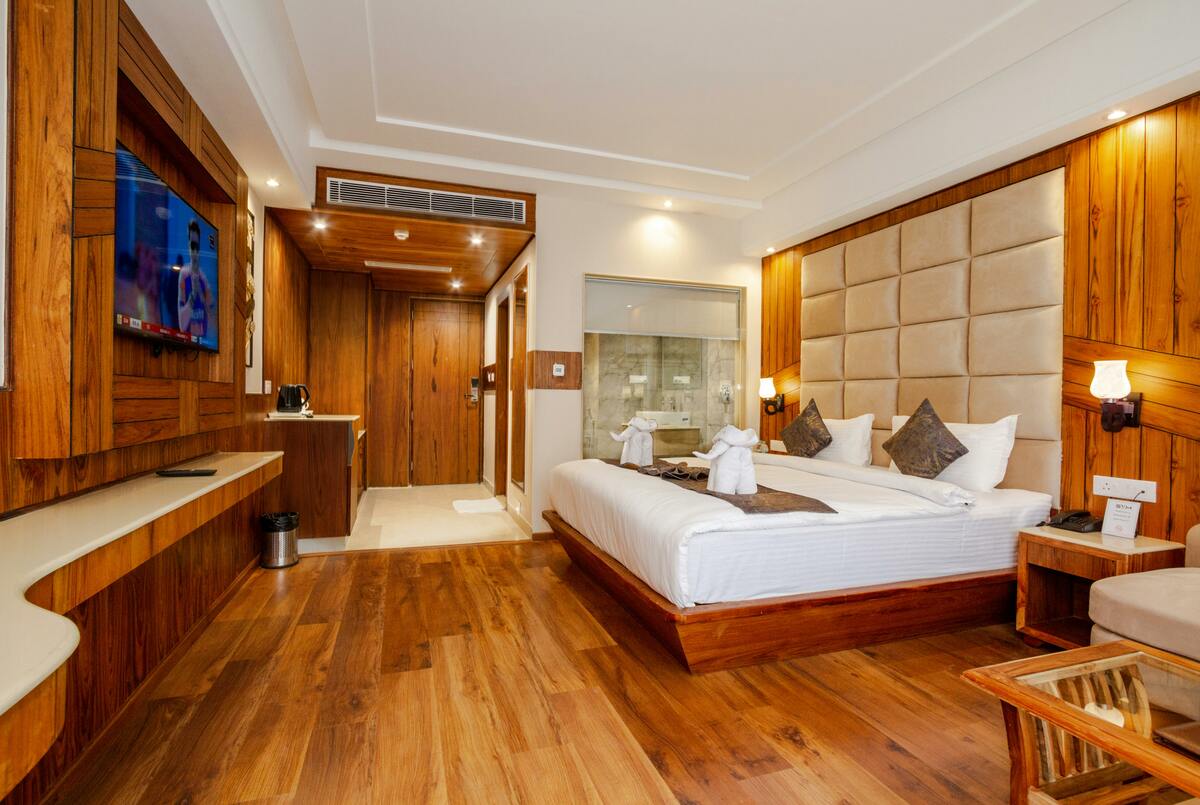


For Rent
The journey from a discarded plastic bottle to a new raw material (PCR - Post-Consumer Recyclate) is a technically demanding cycle that takes place in several key stages:
First, plastic waste (e.g., from household recycling bins) arrives at sorting facilities. There, various types of plastic (such as PET, PE, or PP) are separated using high-tech infrared scanners (NIR). Only mono-fraction (pure) material can be processed into high-quality granules later on.
After sorting, the plastic is fed into large industrial shredders. These machines cut the plastic items into small pieces, approximately 10–15 mm in size—known as flakes.
This is a critical step for end-product quality. In large-scale wash lines, the flakes are cleaned of label residue, adhesive remains, and organic contaminants. A common method used here is the sink-float process: heavier plastics sink, while lighter ones float. This further separates the material by density.
The clean, wet flakes must be completely dried before further processing. This is usually achieved using mechanical centrifuges or thermal dryers.
This is the "heart" of the production process:
Feeding: The dry flakes are fed into an extruder.
Melting & Filtration: Under high heat and pressure, the plastic is melted. It is then forced through ultra-fine filters to remove any remaining microscopic impurities.
Stranding: The molten mass is pushed through nozzles to form thin "spaghetti-like strands."
Cutting: As soon as these strands cool down in a water bath, rotating blades cut them into tiny, uniform beads—the finished plastic granules (pellets).
These granules (also called PCR pellets) are now ready for a new life. They are filled into large industrial bags (Big Bags) – as seen at PHÖNIX & SÖHNE – and delivered to manufacturers who use them to produce new bottles, pipes, or automotive parts.
We turn waste into new raw materials and actively contribute to reducing waste and emissions.
Through innovative concepts and technologies, we create sustainable energy systems that protect our environment.
Efficient and sustainable logistics that not only move goods but also conserve resources.
We are shaping the future by building modern, environmentally friendly infrastructure that meets the needs of cities.
Our team provides strategic consulting and management solutions to help companies navigate the challenges of the market.
We support projects that balance economic growth with environmental and social concerns.
We offer services in the areas of recycling, energy generation, logistics, and infrastructure development.
Through innovative recycling concepts and the use of clean technologies, we promote sustainable growth.
We operate in Africa, the Middle East, and Europe and develop cross-border projects.
We rely on renewable energy and efficient technologies to reduce our carbon footprint.
Yes, we develop customized solutions tailored to our customers' specific needs.
Contact us directly via our contact form or give us a call to learn more.